
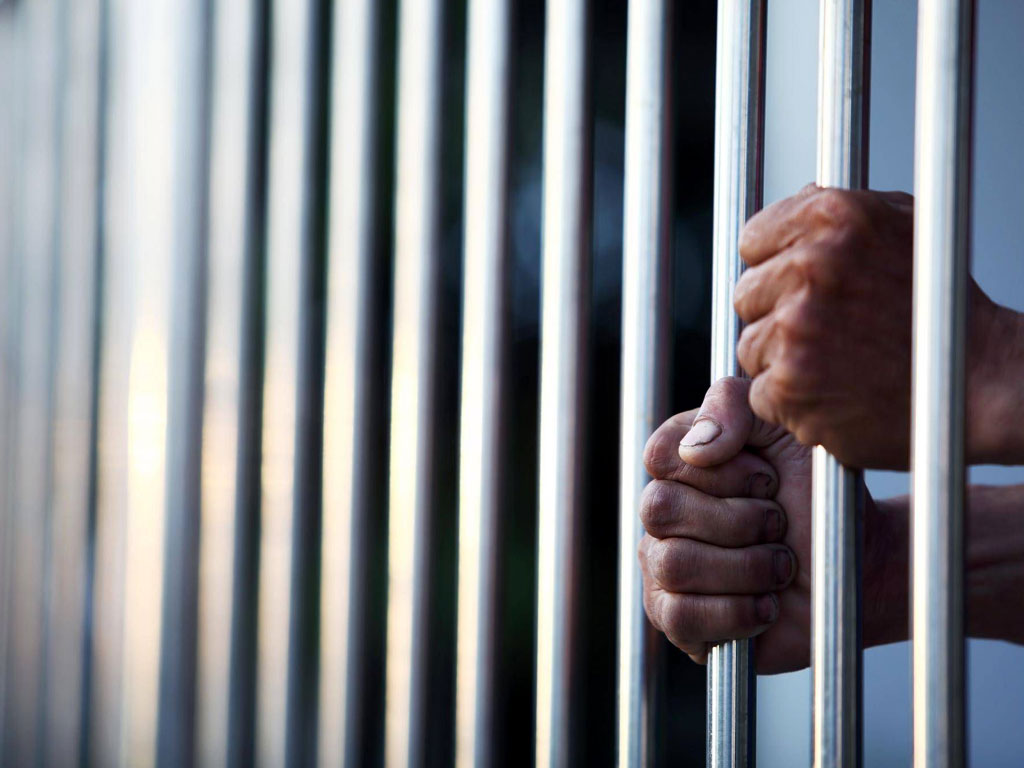
Day in day out, the front doors of some 11,000 houses in Pakistan remain open. Those inside these places of residence wait for homecoming of the near and dear ones held abroad in foreign prisons. Last month, about 250 returned home from Saudi Arabia and last week 320 came from Malaysia. Of the 11,000 Pakistanis held abroad, 7,786 are imprisoned in the OIC countries, with which there is a greater exchange of labour, both skilled and unskilled. Given the commitment by Prince Mohammad bin Salman, the return of another 1,800 is expected, but no one knows how this pledge will be translated into a firm action. There is no clear answer to question about the rest in prisons abroad, essentially because even when overseas Pakistanis are the country's main, and unconditional, source of foreign exchange the kind of safeguards they need when in trouble are not there. How ironic it is that even 1 percent of foreign exchange they remit is not spent to ensure they receive necessary legal and diplomatic support they need when charged with misuse of their entry or stay in a host country. Not only do they send foreign exchange, they also help reduce pressure on employment in the country. Also, among them hundreds are yet to be charge-sheeted and produced before any court of law. And no less painful is the fact that many of them cannot return home even after completing sentences because they have no money to pay fines as part of their sentences.
There is nothing new about the nationals of one country working in other countries. But for that there is always a clearly laid down procedure and rules to be followed by intending migrants. But, unfortunately, in Pakistan that is not the case. Here, "weak regulation of labour migration leaves thousands of low-wagers vulnerable to human trafficking, forced labour, ill-treatment in detention overseas and even risk of death," says a report launched by the non-profit Justice Project Pakistan. Not only do the concerned government departments lack coordination, there is also absence of oversight over procedures of recruitment and unchecked working of licensed overseas employment promoters. Hopefully, when 10 million jobs promised by Prime Minister Imran Khan become available the pressure to go abroad by hook or by crook would abate. But until then quite a few improvements in the prevalent system are in order. The areas that need to be looked into more incisively are authenticity of employment offer, genuineness of travel documents and sweeping body and luggage check-up of intending passenger. How come every second day a drug-trafficker makes exit undetected from our national airports but is caught at arrival airport? Is it that we don't have the required mind or machine to catch drug-traffickers while others have it? Or, is it that entire system is being held hostage by the drug mafia?
If drastic overhauling of management of overseas employment is in order, there are quite a few steps the government can take to help raise the issue of plight of Pakistani prisoners abroad and work for their repatriation. Pakistan should persuade the OIC countries where more than 7,000 Pakistanis are imprisoned, to ratify the Migration for Employment Convention (Revised) 1949 and International Convention on Protection of the Rights of All Migrant Workers and their Families, provide free advice to assist overseas workers and ensure medical and legal assistance to migrant workers and their families. How painful it is to learn that about two dozen Pakistanis were put to the sword in Saudi Arabia for being drug mules. In 2015, when the number of drug-related Pakistani prisoners outnumbered other inmates, Kuwait imposed a six-year visa ban on the Pakistani workers. According to a report, last year the concerned authorities in Dubai urged employers to hire fewer Pakistani workers, claiming "the Pakistanis pose a serious threat to the Gulf communities for drugs they bring with them to our countries."
All in all, while Pakistanis do need jobs abroad and the country is in dire need of foreign exchange they earn it is responsibility of the government to ensure their travel abroad is legal, they are not drug mules, and if and when they are found to be on the wrong side of law of host country they get timely legal help. And if someone has done his term but cannot pay the fine the government should come to his rescue.