
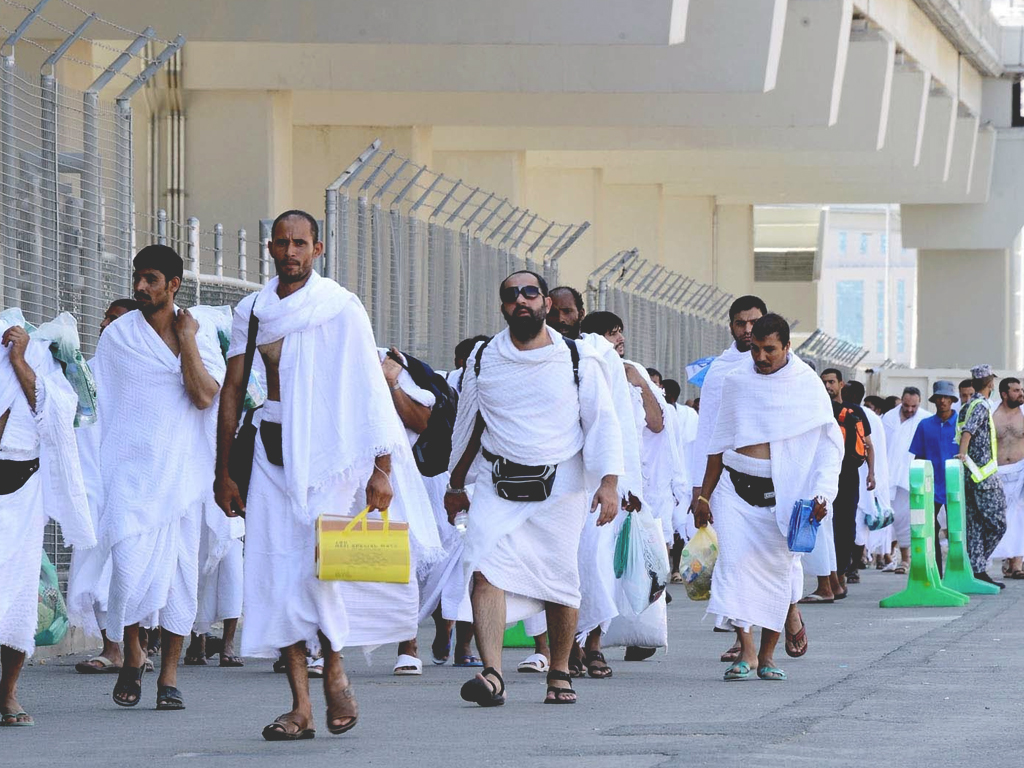
Under the new Hajj Policy, announced by the federal government, the cost of performing Hajj has risen by a whopping 63 percent, mainly due to withdrawal of a subsidy given to pilgrims. As expected, this latest austerity measure has created a huge controversy, providing the opposition with a sensitive issue to lash out at the government. In the upper house, a Jamaat-e-Islami senator moved a call attention notice on the issue. Sneering at the government, he said, the ruling PTI claimed to transform the country into a Medina-like state, but had framed a policy that would push a religious obligation out of the reach of many, adding that the prospective Hajjis have become a victim of the tsunami of inflation.
However, as the Minister for Parliamentary Affairs Ali Mohammad Khan explained, part of the reason the cost has increased is that value of the rupee has considerably depreciated against the Saudi riyal. Consequently, the charges for accommodation have gone up from Rs 60,000 to Rs 94,185, and there is a similar surge in the cost of meals, transportation and other services. Removal of the subsidy has further spiked the cost, causing a general resentment. According to media reports, the new policy has not gone down well even within the government. During discussion of the policy in a cabinet meeting, some of the ministers, including Religious Affairs Minister Noorul Haq Qadri, had opposed it. That he had reservations is further confirmed by the fact that contrary to normal practice, the Hajj policy was announced by Information Minister Fawad Chaudhry rather than Qadri. But pressed for cash the government went ahead to take the risky step of abolishing the subsidy altogether.
At first, it looks like an ill-considered decision since it is to affect a large number of people in the lower and middle income groups for whom a lifelong dream is to travel to the holy land to perform hajj - one of the five pillars of Islam. However, as per a clear religious command, it is an obligation only for those who can afford it. People in debt or having other financial responsibilities towards family, have no such obligation. Which brings subsidy into question. For it comes from government taxes paid not only by wealthier sections of society but also by the poor on buying basic necessities of life. In other words, the poor also lend financial support for the observance of a religious duty from which they are absolved. True, there are examples from other countries, including India, wherein governments allot public money for Hajj expenses. That though is not a good enough argument considering the religion ordains only the use of well-earned money, minus liabilities, for the purpose, and also because this country is in the middle of an economic crisis.