
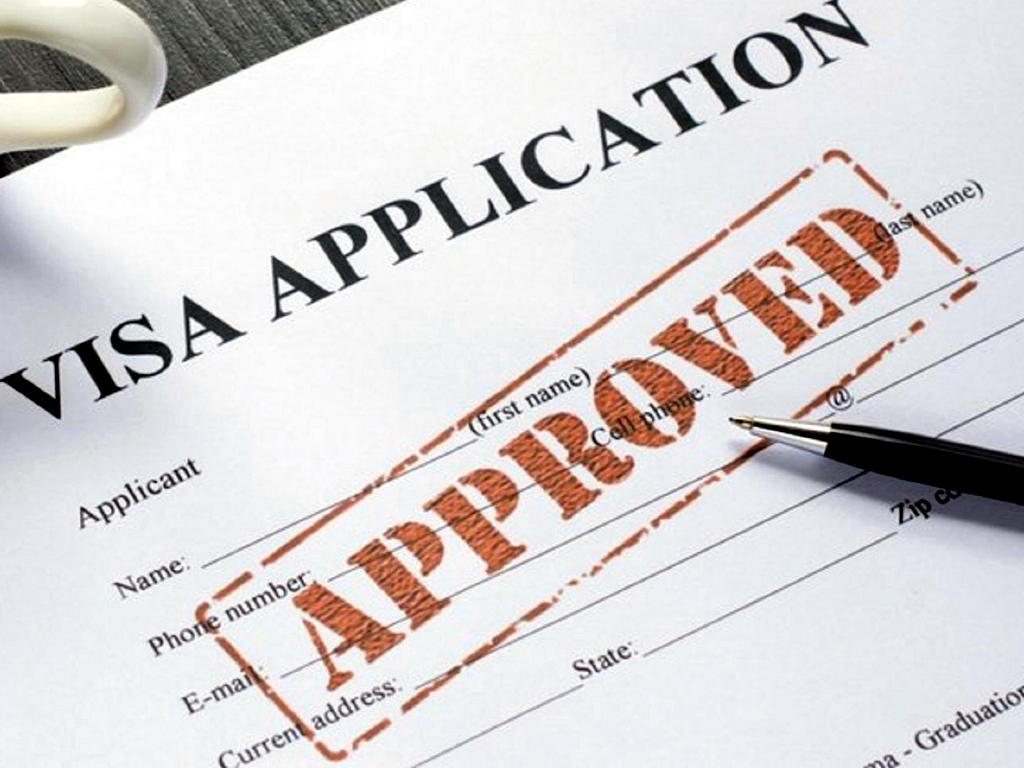
Given its enormous tourism potential and foreign investment opportunity Pakistan should have been one of the top destinations for foreign tourists. But it was not, essentially because of its prohibitive visa policy. It is ranked by Wanderlust as one of the top 5 hardest visa to obtain countries. Not only are our foreign missions generally reluctant to issue visa, the mandated cross-checks also stand in the way to Pakistan. Then there are about two dozen different kinds of visas, each requiring a number of particular documents as if granting visa is a special favour. While visa-on-arrival is offered to travellers as part of a group or business - and that too if the request is made in advance by the local sponsor - this facility is not available to the individual traveller. He must have the visa issued by one of Pakistan's embassies or consulates abroad. And then there is also a ban on travellers from some countries. All in all, reaching Pakistan is not that easy, even when the country needs more and more travellers to come as tourists or investors. And, on the other hand, no serious effort was made to bring the country's visa regime in line with the national exigencies, while the world outside has done. Internationally, grant of visa-on-arrival is now almost a routine affair.
However, the indications are that that is going to change; Pakistan has decided to issue visa-on-arrival facility to citizens of 98 countries. This change was on the cards- PM's Advisor on Commerce Razzaq Dawood being its principal supporter-and was approved by the federal cabinet on Thursday, following a PM-CoAS one-on-one conclave. Who should be welcomed remains a live concern for every country; no less for Pakistan which happened to have received foreign guests including Indian spy Kulbhushun Jadhav. One other prompter for the change of visa policy could be the Prime Minister Khan's recent visit to Qatar, which grants visa-on-arrival to more than a hundred countries. India too has reportedly added more countries to visa-on-arrival facility list.
However, the cabinet approval is not enough to realize full potential of the expanded visa-on-arrival policy. The concerned authorities and departments need to come up with a mechanism that should help the officials at the point of entry to grant visa without the usual hassle. Presently, if leaving the country is not easy coming in is not easy either. That should no more be the case. Should visa-on-arrival policy suffer teething troubles it would send negative signals abroad, something that must be avoided. Perhaps, the government may like to set up a special task force entrusted with responsibility to ensure that prompt application of the visa-on-arrival system doesn't run into hurdles. Accepted, there are quite a few other hurdles in place like lacking international-standard tourism provisions and impediments to do business; the arrival of a foreign visitor should be at least hassle-free. Every effort must be made that no one is turned back, unlike the recent case when an American lady was refused entry - she didn't have the visa to visit Pakistan wrongly believing she would get it on her arrival at Islamabad airport.